Invasive plant treatment
Japanese knotweed, other knotweed species and hybrids. For other invasive plants, send photographs so we can discuss the right approach.
Edinburgh & Midlothian · Invasive plant treatment
Clear advice. Targeted treatment. Stem injection for Japanese knotweed, other knotweed species and hybrids.
Based in Loanhead. For homes, businesses and managed land.
What we do
Understand what is growing, discuss the options and agree the treatment before work begins.
Japanese knotweed, other knotweed species and hybrids. For other invasive plants, send photographs so we can discuss the right approach.
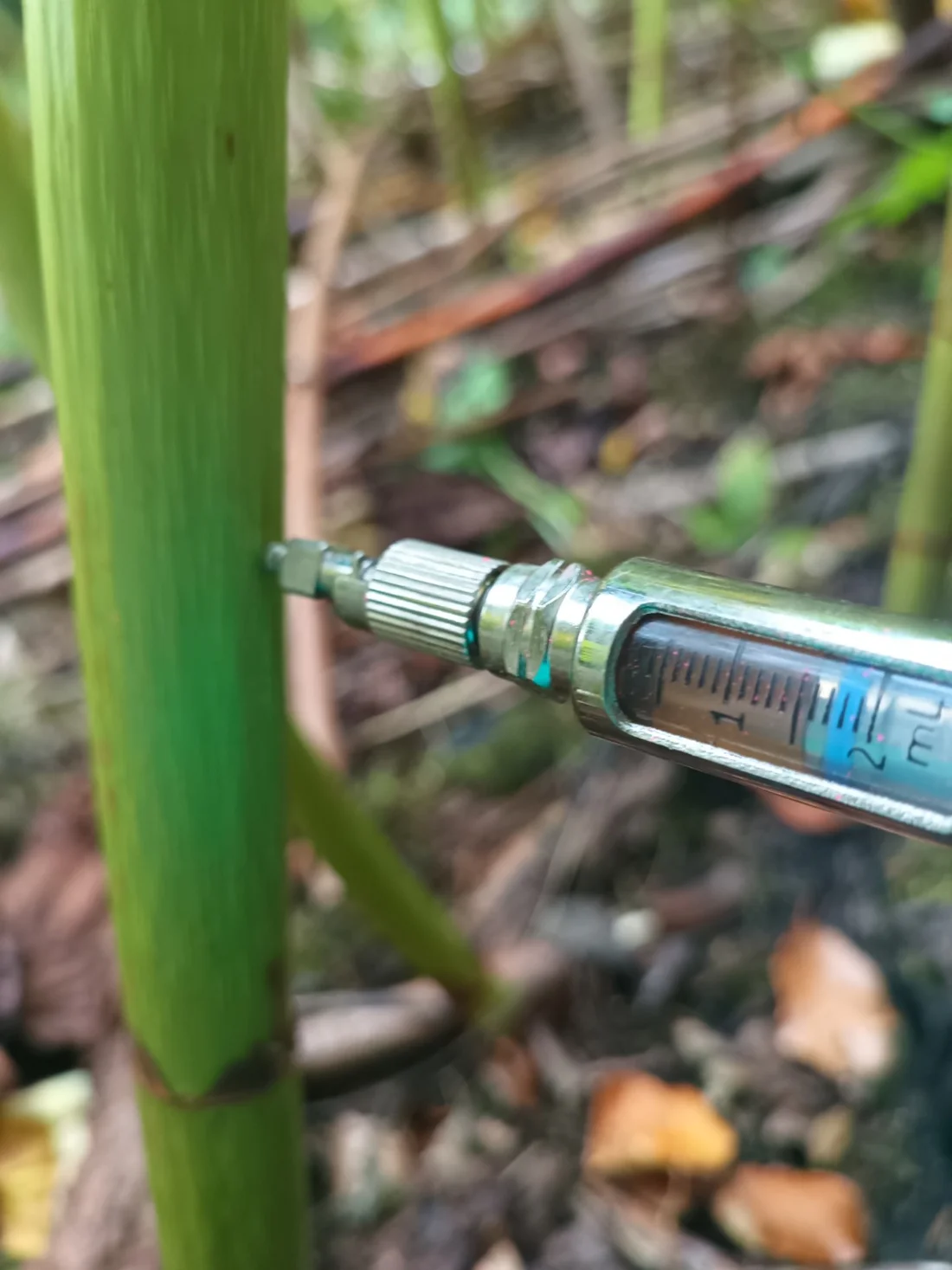
Herbicide delivered directly into suitable knotweed canes. Precise application without airborne spray drift.
A review of the visible growth, site conditions and treatment options, with practical advice and a quotation for each treatment.
A more targeted approach
How it works
Send your location, photographs and an approximate affected area. We can then discuss a site assessment.
Receive treatment plan advice and a quotation for the proposed treatment, based on the area, access and method.
Treatment is carried out within the agreed area when plant and site conditions are suitable.
Each treatment is quoted separately. Further treatment may be needed; eradication is not guaranteed.
From the field
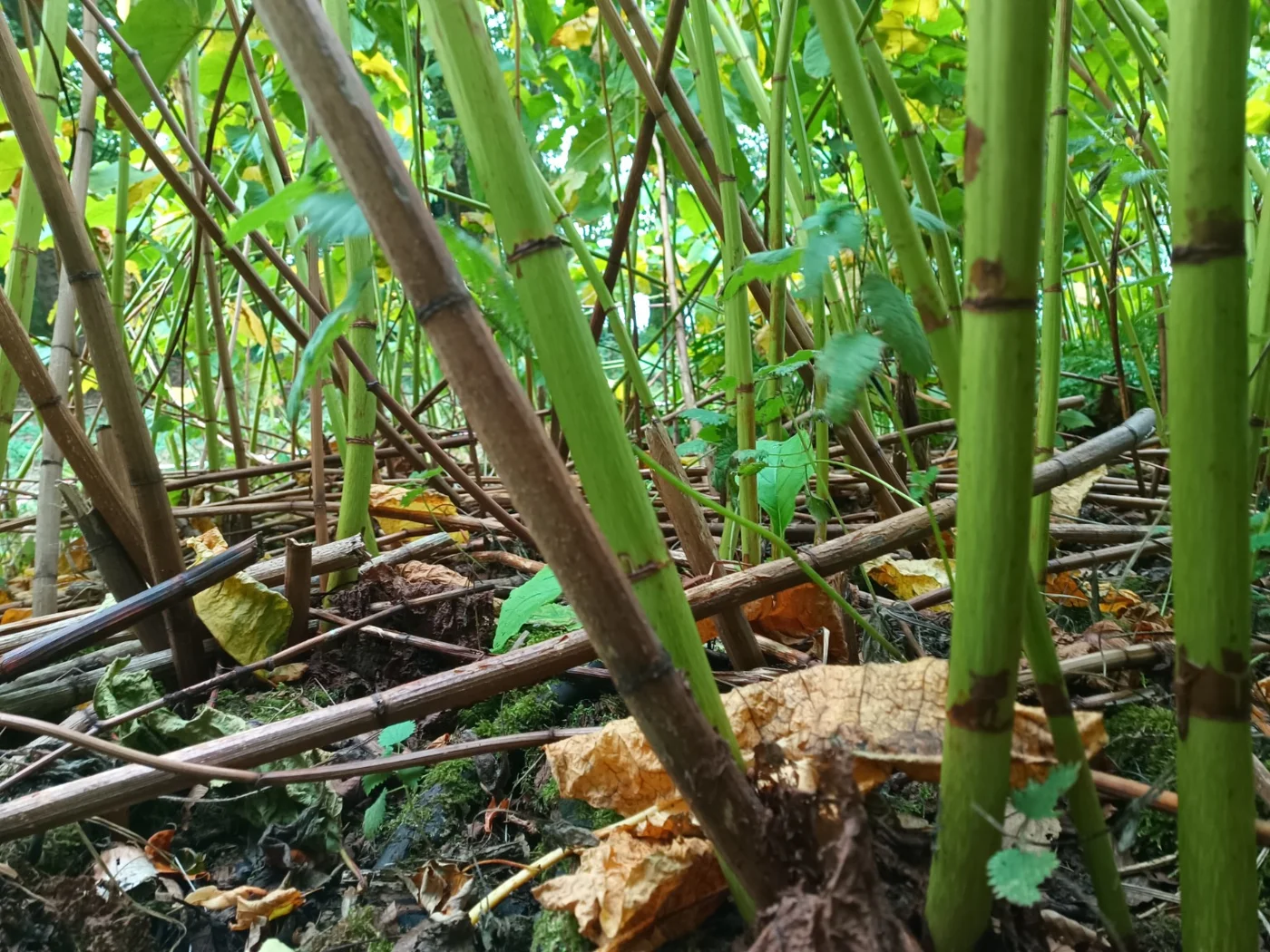
Photographs from our own assessments and treatment work, showing knotweed at different scales.
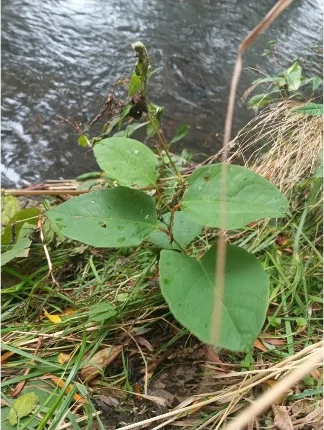
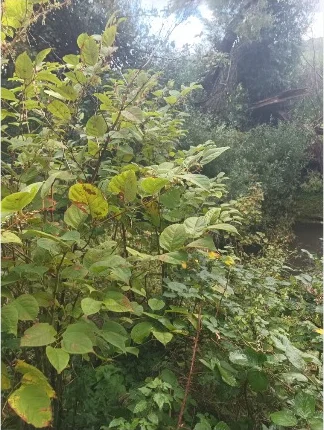
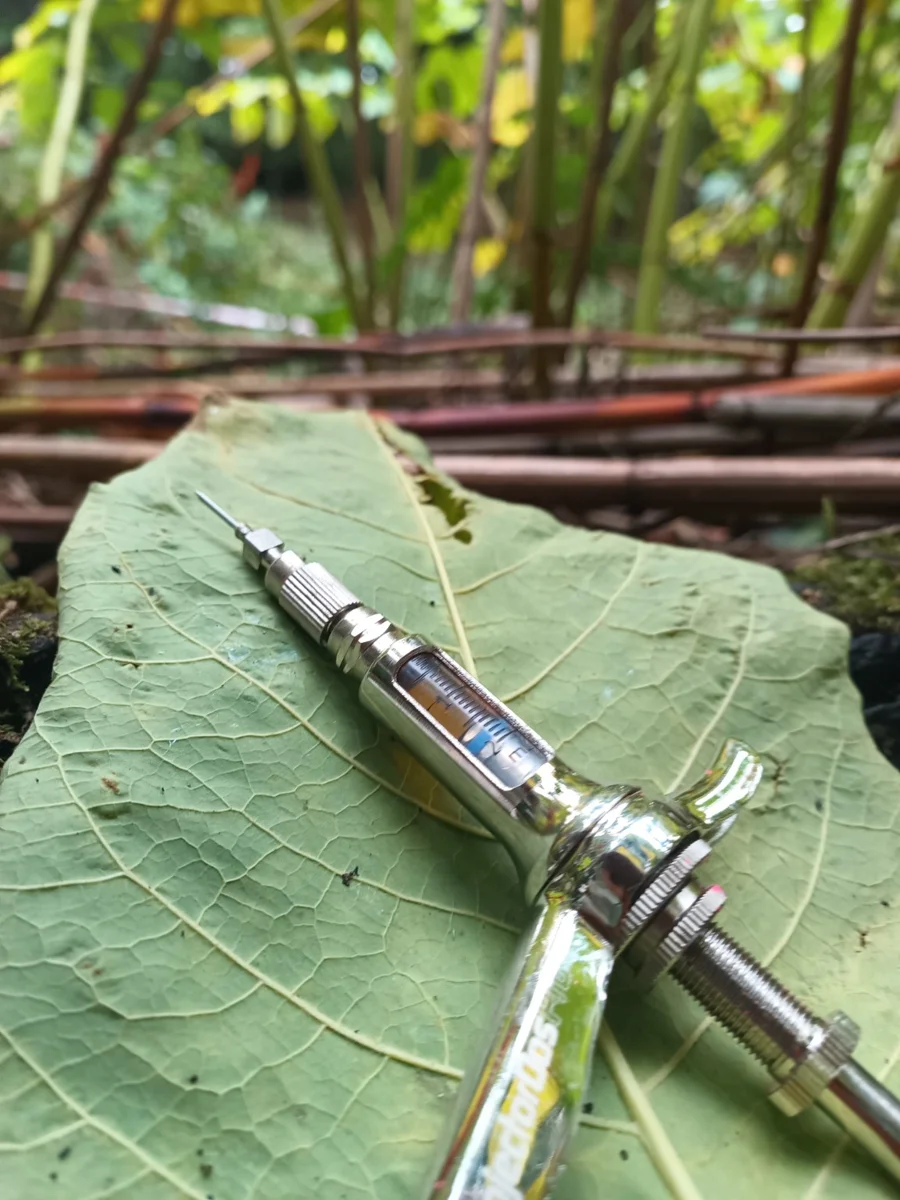
These photographs show plants and working methods, not before-and-after evidence of eradication.
Think you have found knotweed?
Japanese knotweed commonly has:
Giant knotweed and hybrids can look different. Send a photograph of the whole plant, a leaf and the stem for an initial discussion.
Send photos on WhatsApp ↗Avoid cutting, strimming or moving suspected knotweed before getting advice: stem and rhizome fragments can spread it.
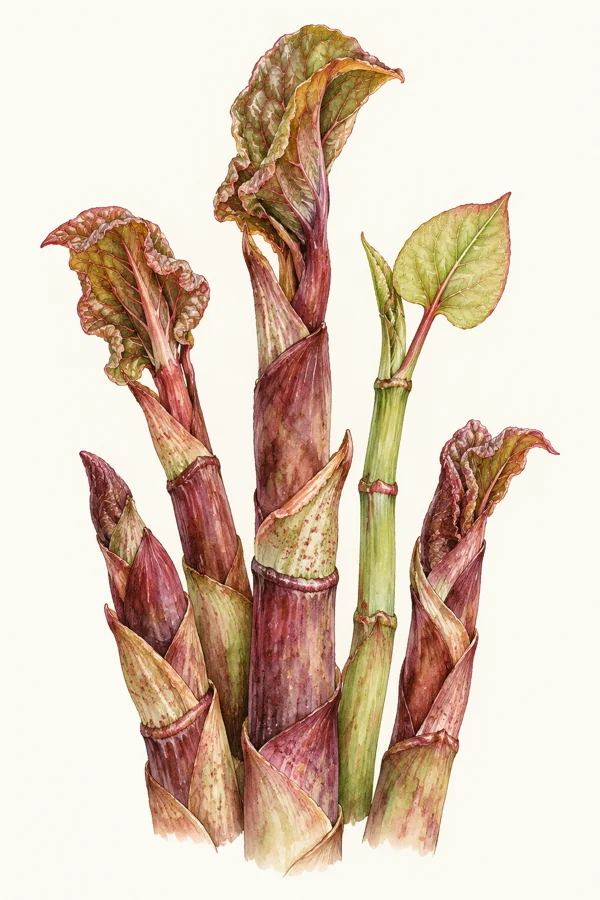
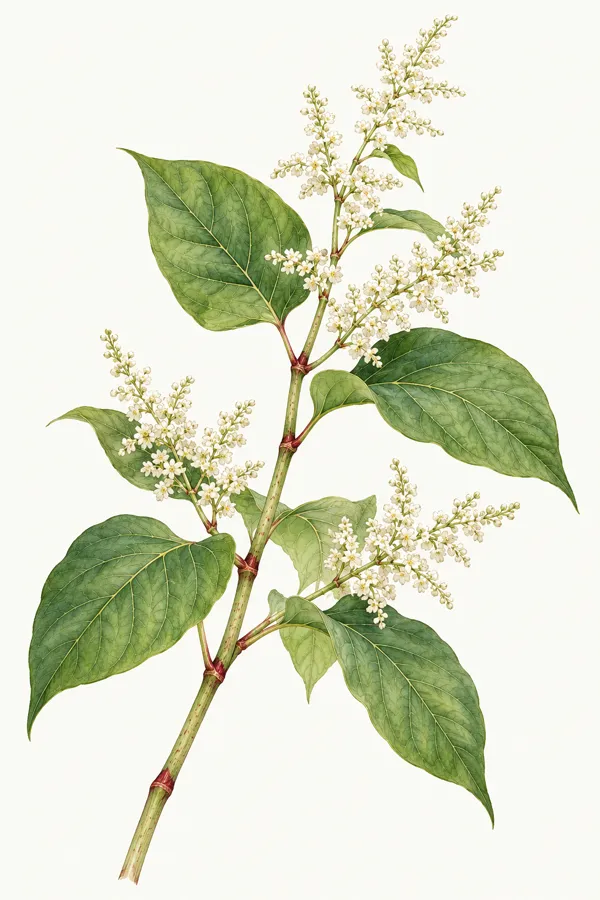
Botanical artwork · illustrative, not a diagnostic identification guide
For properties & managed land
Site assessment, treatment advice and clearly scoped work for property managers, businesses and contractors. Tell us about access, planned works and any site requirements when you enquire.
Useful to know
Late summer and autumn are commonly used for herbicide treatment, after flowering begins and before dieback. Suitability depends on the plant’s condition, treatment method and weather. Send recent photographs to discuss your site.
Each treatment is quoted separately according to the affected area, access and method. The proposed scope and price are agreed before work starts.
Further treatment may be needed and would be quoted separately. Reduced or stunted growth does not necessarily mean that the underground rhizomes have died.
Treated canes remain in the treatment area and are allowed to naturally decompose on site. Removal of plant material or soil is not part of this service.
RHS knotweed guidance and the Scottish Invasive Species Initiative explain identification, spread and control.
Let’s discuss your site
Tell us where the plants are and what you have found. We’ll get back to you to discuss the next step.
info@greennoise.co.uk ↗Photographs are welcome by WhatsApp or email.
Based in Loanhead
Serving Edinburgh & Midlothian